Welcome to a platform that unlocks emotional intelligence in children & young adults
Bright Mind Arts uses psychology based story-telling - informative poetry - visual metaphors – amazing analogies - affirmations & creative coaching

Bright Mind Arts uses psychology based story-telling - informative poetry - visual metaphors – amazing analogies - affirmations & creative coaching
Understanding the scale of emotional and educational challenges
Over 1.6 million pupils in England have special educational needs (SEN).
In UK schools, Social, Emotional, and Mental Health (SEMH) needs are a significant concern, with approximately 23.6% of pupils requiring support for SEMH as their primary need.
The most common type of need for those with an EHC plan is autistic spectrum disorder and for those with SEN support is speech, language and communication needs.
Bright Mind Creative Coaching offers an alternative approach to communicate emotions and feelings from spoken words as most young people do not often have the vocabulary and skills for acknowledging emotions.

Emotional Intelligence helps young people recognise and understand their own emotions, which is key for making informed choices and handling difficult situations. It also assists with self-acceptance and confidence. Adolescence is a time of heightened emotions, so being able to control impulses and manage emotions like anger, frustration, or anxiety is crucial. EI helps youth pause, reflect, and respond thoughtfully instead of reacting impulsively. Emotionally intelligent youth are more likely to set and pursue meaningful goals. They tend to be more resilient in the face of setbacks and are driven by intrinsic motivation rather than external rewards.
Achieve both academically and non-academically through improved focus and emotional regulation.
Develop better friendships through enhanced empathy and social skills.
Have fewer behavioural difficulties as they learn to manage emotions effectively.
Are more emotionally stable with better self-awareness and self-regulation.
Display a calm central nervous system, leading to better overall wellbeing.
Core principles that guide our approach
Developing effective communication skills

Building self-confidence and self-belief

Gaining clarity on emotions and goals

Fostering self-care and care for others

Unlocking creative expression and thinking

Encouraging curiosity and exploration

Developing compassion and empathy
Creative coaching provides young people an opportunity to off-load those things that they carry with them from one week to the next. These things can often start small and be 'brushed under the carpet' as 'nothing', but with time, these so called 'little things' can manifest and become more profound, affecting different aspects of life from performance at school, family life, friendships, personal goals, motivation, confidence, relationships and more. Just 30-45 minutes of regular coaching can have a big difference to help these young people establish more clarity, focus, set goals, have better friendships, grow in confidence and develop greater emotional intelligence which can help them throughout life.
Informative Poetry - plenty of fun rhyming!

The Bright Mind Poetry Books are an engaging series for children of all ages, blending simple, rhythmic writing with meaningful insights into real-life topics. With clear language, lively rhymes, and carefully chosen vocabulary, they support developing readers while expanding word knowledge in a gentle and enjoyable way.
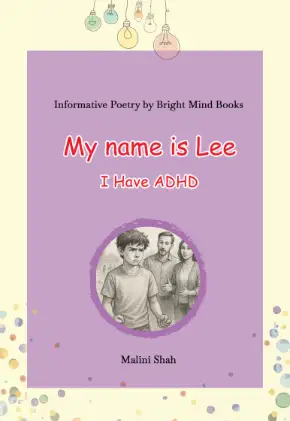
As the author of these books, my inspiration came from reading Julia Donaldson books to my own children when they were younger and they loved the clever rhyming, which I did as a parent too. The Bright Mind Book collection have a common theme of compassion, wellbeing and neurodiversity with titles such as The Delicate Elephant, Nourish to Flourish, Living with an Allergy, My name is Callum, Living with Hearing Loss, 10 Ways to Express Myself and My name is Lee - I have ADHD.
Designed for visual learners, each book pairs expressive illustrations with reflective, accessible poetry. The open, uncluttered layout makes the pages easy to process, inviting young readers to explore and connect.
The series takes a neurodiverse-friendly approach, offering supportive content for children with ADHD, Autism, and global developmental delay, as well as those who prefer less text-heavy pages. Every title balances imagery and poetry to create an engaging experience that nurtures emotional understanding and a love of reading.
Schools can invite us to run workshops, assemblies and book fairs.
A resource tool for SLT, teachers and wellbeing practitioners, including psychology stories, powerful poetry, creative coaching program, analogies, affirmations and more.
Inspiring stories for assemblies and PSHE.
Bright Mind Poetry Books shown as animations.
Videos of how to coach using analogies & metaphors.
Positive affirmations are powerful for developing a growth mindset.
Thought-provoking & inspiring conversations.
The Bright Mind EI method comprises of a creative coaching programme, an expressive writing and poetry led initiative and an emotionally inspired learning portal developed using AI technology.
Psychology based story-telling - informative poetry - visual metaphors – amazing analogies & affirmations – creative coaching

An emotional intelligence & mindset tool that helps young people develop self-awareness, emotional regulation, and resilience through creative approaches.
Expression through powerful poetry and creative writing that enables young people to articulate emotions and experiences in meaningful ways.
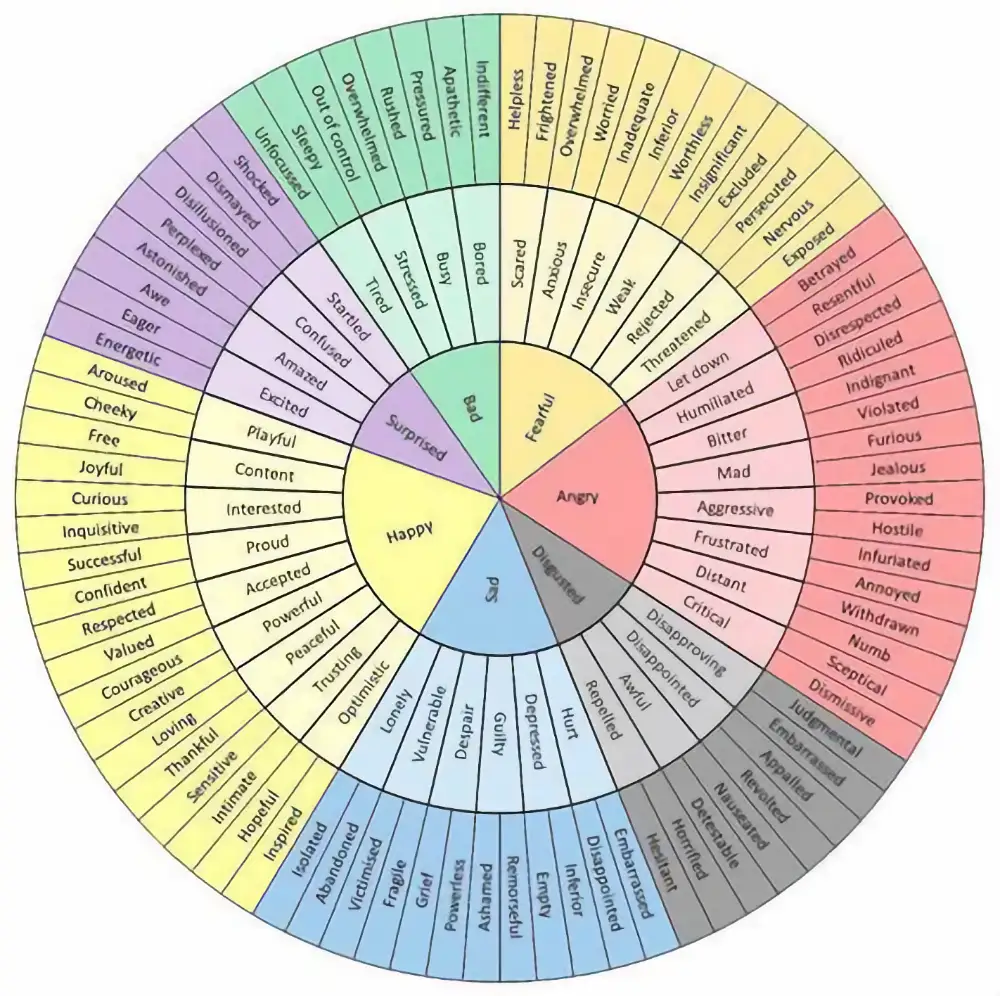
Using visual storytelling and metaphors to help young people understand and process complex emotions in accessible, creative ways.
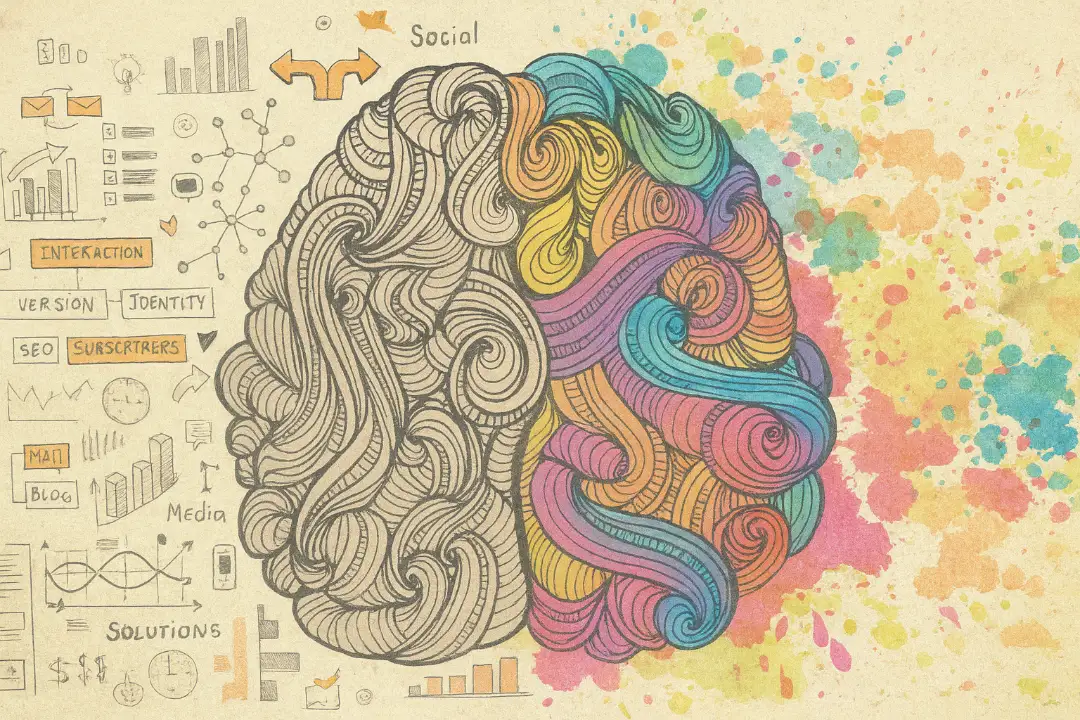
Emotions, creativity and memory all go hand in hand. Creative techniques make it easier to encode, store and recall important information.
Emotions must remain in motion. We invite you to complete the emotion coaching forms to begin your journey.
Memory matters at every age. Our memory training program combines creativity with emotional intelligence to help you retain more information, both short and long term. Ready to get started? We invite you to complete the emotion coaching forms to begin your journey.
This style of coaching is useful for those young people who have ADHD symptoms
Emotional regulation can be a significant challenge for individuals with ADHD and youngsters with this condition often experience intense emotions and have difficulty managing them, which can affect their relationships, work, and overall quality of life. This difficulty in emotional regulation is not necessarily about a lack of empathy or awareness but stems from the neurological and cognitive aspects of ADHD that affect impulse control and self-regulation.
Individuals with ADHD often experience emotions more intensely than others. They may have strong reactions to events that others would not perceive as significant. For example, a minor critique at work might lead to disproportionate feelings of frustration or sadness. These intense emotions can sometimes feel overwhelming and hard to control, leading to outbursts, irritability, or anxiety.
One of the core features of ADHD is impulsivity. This can extend beyond actions and into emotions. Individuals may act on their feelings without pausing to reflect or consider the consequences. For example, someone might lash out in anger before realising that their reaction is excessive, or they may express their emotions in ways that seem inappropriate for the situation.
People with ADHD are often more sensitive to criticism or perceived rejection, which can make emotional regulation even harder. This heightened sensitivity can lead to feeling easily hurt, misunderstood, or criticised, which may escalate emotional reactions.
A teenager notices they feel anxious before a presentation and takes a moment to recognise that their anxiety is due to fear of judgment. This awareness allows them to address the root cause and prepare mentally.
A young person sees that their friend is upset but hasn't spoken about it. They ask, "You seem down. Want to talk about it?" showing they can pick up on emotional cues and offer support.
During a disagreement with a sibling, a child takes a deep breath and chooses to walk away rather than shout, giving them time to cool off and approach the situation more calmly.
A middle schooler resolves a conflict with a peer by listening to their side, acknowledging their feelings, and working together to find a solution that respects both perspectives.
A student who was constantly needing external validation learnt to seek it internally, leaving her much more confident and self-assured in her abilities and decisions.
Discover how Bright Mind Creative can help unlock emotional intelligence through story telling, visual metaphors and poetry
Get in TouchCommissioned by Watford Borough Council
Affiliated with: